

How to Transform Art Education in the United States with Unique Experiences
Rethinking Art Education
Incorporating Contemporary Techniques
As an art educator, there's always the exciting challenge of integrating contemporary techniques into traditional curricula. Imagine bringing the vibrant cityscape of Chicago into your classroom by exploring the latest trends in art education. One effective method could be involving students in "paint and sip" sessions, even if they're tailored for a younger audience. These sessions can inspire creativity while offering a relaxed setting for students to experiment with colour and techniques paint and sip san francisco. At institutions like the Art Institute of Chicago, these real-world experiences provide a gateway for students to appreciate different art forms.
Integrating Real-World Experiences
Providing students with experience gifts such as pottery classes or interactive workshops not only ignites enthusiasm but also enhances their understanding of the art-making process. Imagine taking your students for a session at a local pottery studio where they can get hands-on with clay, similar to how artist residencies operate. Developing a partnership with local art spaces, like those found in Hyde Park, can significantly enrich your art programme. You could collaborate with pottery classes in NYC for online exchanges, enabling students to connect with broader artistic communities pottery classes nyc.
Fostering Holistic Student Development
Fostering holistic student development involves more than just teaching techniques. It’s about crafting an environment where creativity flourishes and students feel empowered to express themselves through art. Incorporating mindfulness exercises within art projects, such as reflective journaling or themed meditative drawing sessions, can nurture both artistic skills and emotional well-being. Encouraging them to visit dynamic venues and participate in varied art activities around Chicago establishes a comprehensive art education that extends beyond the classroom. These strategies can help students see art not just as a subject, but as a critical, engaging facet of life.
Innovative Teaching Methods
Engaging Digital Tools
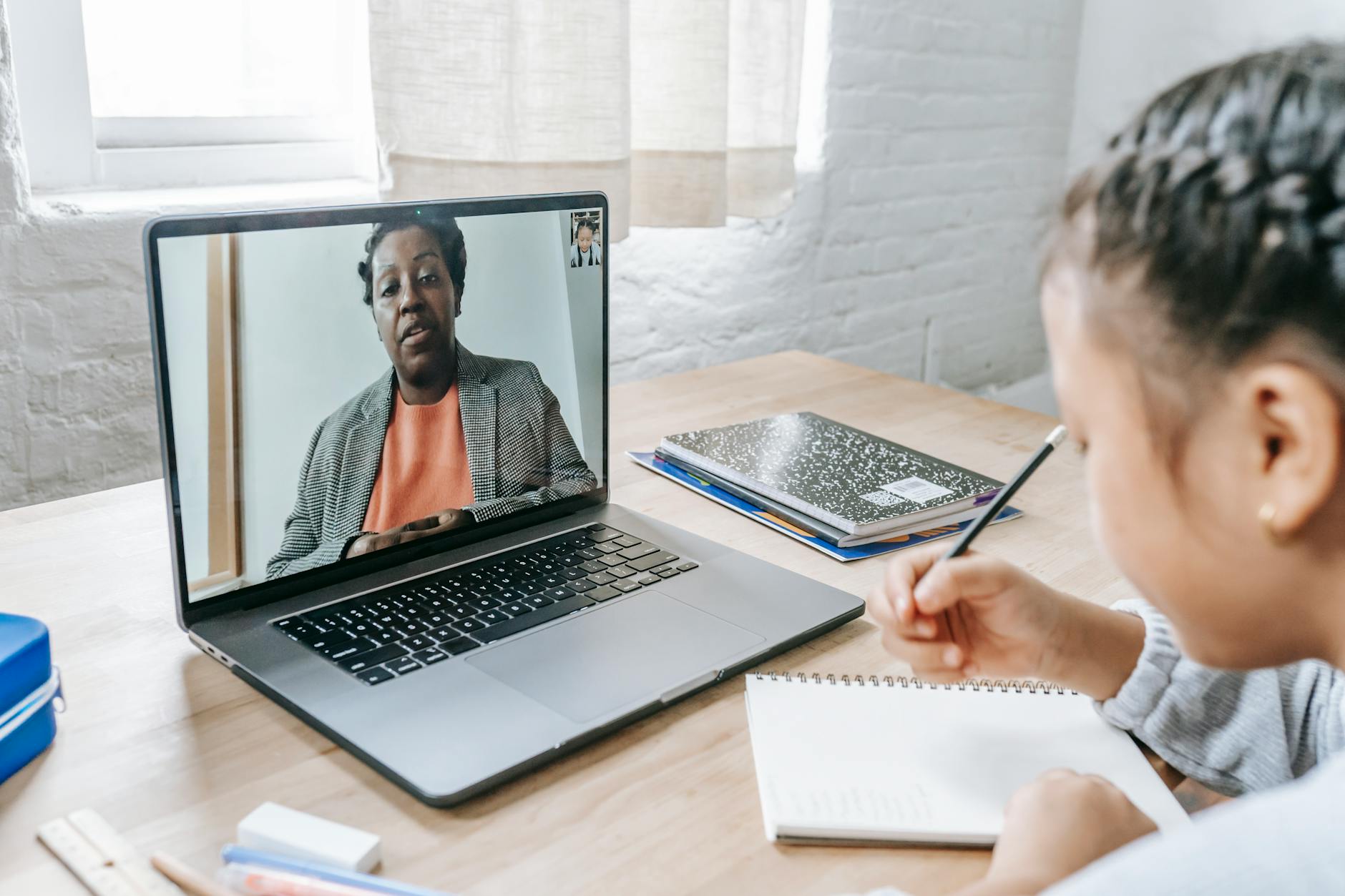
As an art educator in Chicago, I'm always on the lookout for dynamic ways to incorporate digital tools into the classroom. One effective approach is through virtual paint classes. These sessions enable students to explore diverse artistic techniques from the comfort of their own space, enhancing their appreciation for contemporary styles. In addition, these classes are an excellent way to democratize art education, allowing those with limited resources to participate without physical constraints.
Collaborative Art Projects
Creating a collaborative art project within a classroom or with another school can spark creativity and team collaboration. For instance, pairing up with a local studio like the ones around the Hyde Park Art Center can open doors for pottery classes. Imagine spending an afternoon with your students at pottery classes Chicago, immersing them in the world of ceramics. Such collaborations not only expand your students' creative boundaries but also foster community engagement, helping students see art from a broader, more interconnected perspective.
Interactive Workshops and Activities
Hosting interactive workshops provides students with a hands-on learning experience. You can integrate techniques learned in these workshops into your curriculum, making art more interactive and less theoretical. Chicago offers a wealth of opportunities through local art initiatives and venues, perfect for planning such activities. By engaging in active learning and stepping out of traditional classroom settings, students are likely to develop a deeper connection with the arts.
Resource and Funding Strategies
Securing Community Partnerships
As art educators, establishing community partnerships can be an enriching venture for securing resources and expanding opportunities for students. Collaborating with local art studios at the 78 is a strategic way to integrate professional insights and resources into your art programs. These partnerships can pave the way for unique bachelorette party ideas, offering students a peek into professional art settings. Start by identifying organisations whose missions align with your educational goals. Engage with them through meetings to explore how they can contribute to your curriculum, whether through guest lectures, workshops, or even sponsored events. Remember, these partnerships should benefit both parties, so highlight the mutual advantages during your discussions.
Exploring Educational Grants
Exploring educational grants provides a viable pathway to fund art initiatives. Numerous organisations offer grants specifically targeted at art education, assisting art educators with limited budgets. When applying, make sure your proposal encapsulates a clear educational purpose and impactful objectives. Stress how the funding will enhance student experiences, particularly focusing on new initiatives like paint and sip Chicago events that merge creativity with social engagement. It's crucial to follow grant guidelines meticulously and to provide comprehensive documentation to support your case.
Crowdsourcing and Fundraising Ideas
Crowdsourcing and fundraising present innovative avenues to gather funding. Engage your community by organising art exhibits or online art auctions where students showcase and sell their works, thereby raising funds and visibility. Social media can serve as a robust tool for sharing your crowdfunding campaigns and drawing in contributors who resonate with your mission. Emphasising student-led projects in these campaigns can significantly attract attention and support, as people are often drawn to initiatives that empower young creators.
Enhancing Student Engagement
Creating Immersive Art Experiences
Incorporating immersive art experiences into your curriculum can ignite a newfound enthusiasm among students. One way to do this is by encouraging participation in hands-on activities that extend beyond the classroom. Consider using an experience gift card to facilitate these activities, which could include gallery visits or art-focused events.
Personalizing Learning Pathways
Tailoring lessons to each student's interests can make art education more impactful. Personalized learning pathways allow students to explore techniques and mediums that resonate with them, fostering a deeper connection to the subject. For example, offering couples cooking classes nyc themed art projects can help students find unique ways to express themselves through art forms inspired by real-world experiences and culinary aesthetics.
Encouraging Student-Led Initiatives
Empower your students by encouraging them to lead art initiatives. This not only boosts engagement but also enhances leadership skills and creativity. Encourage your class to curate mini-exhibitions or take charge of planning community art events. Such endeavours often cultivate a sense of investment and pride in their artistic journey. Ensure these student-led activities are featured in your school’s platform, reinforcing the importance of student voices in art education.
By immersing students in these creative pathways, you can captivate their interest in the arts and inspire them to continue exploring their creativity.
Mastering The Art of Educator Checklists
Curating Unforgettable Art Projects
Embolden your classroom offerings by continually evolving your art projects with contemporary flair and conceptual depth. Drawing inspiration from the Art Institute of Chicago's ever-changing exhibits, create projects that invigorate students’ creativity and align with current art movements. Start with a checklist to ensure the foundation is solid:
- Research and Inspiration: Seek exhibits and artworks from local institutions like the Hyde Park Art Center. Consider studio visits at the 78 for firsthand inspiration.
- Materials and Resources: Determine necessary materials, being mindful of budgets and using eco-friendly options when possible. Consider vendors who support sustainable practices.
- Evaluation Criteria: Develop clear, multifaceted rubrics that assess creativity, process, and final execution.
Evaluating Resources and Forming Strategic Partnerships
Art education thrives on a bedrock of robust resources and strategic partnerships. To keep your curriculum fresh and relevant, evaluate and cultivate these connections:
- Community Alignment: Engage with local art studios and community groups to establish connections that enrich student experiences.
- Resource Audit: Conduct periodic reviews of all available tools and materials. Invite feedback from students regarding which resources are most effective.
- Partnership Opportunities: Seek community programs for artists and educators that offer workshops and collaborative events.
Sustaining Innovative Teaching
Innovative teaching practices keep your curriculum dynamic and responsive. As an art mentor, your consistency in excellence should mirror the vibrancy of Chicago's art scene:
- Continuous Learning: Attend workshops like those offered at the Hyde Park Art Center to constantly infuse your teaching with new ideas.
- Feedback Loop: Maintain an open line of communication with your students to adapt your approach based on their feedback.
- Professional Network: Connect with other seasoned educators for peer reviews and creative teaching hacks. Collaboration often sparks the best ideas.
By weaving these elements into your educational framework, you’ll empower students to explore the boundaries of their imagination and craft their artistic voice.